
Relics Making News: St. Zdîslava of Czechia
Holy Theft from Ages Past
Relic theft has a surprisingly deep and complex history in Catholicism, one that might surprise those familiar with the veneration of saints’ remains but less acquainted with their occasional misadventures. In the Middle Ages, what scholars call furta sacra (“holy theft”) was sometimes reframed not as a sin but as a divinely approved act. Relics—bones, clothing, or objects tied to a saint—were seen as powerful spiritual magnets that could draw pilgrims, revive local economies, and affirm a community’s prestige. Monks, merchants, and even bishops occasionally “rescued” relics from distant or neglected shrines, with hagiographies (saints’ lives) often claiming miracles during the journey as proof that the saint herself approved the move. These pious heists helped establish famous pilgrimage sites like Venice’s St. Mark’s Basilica or the shrine of St. Foy at Conques, turning relic acquisition into a tool for building faith communities across Europe.
Thriving Black Market
That medieval tolerance largely vanished in later centuries as Church regulations tightened, the Reformation scattered thousands of relics, and Enlightenment skepticism took hold. Today, stealing a relic is universally condemned by the Catholic Church as sacrilege—an offense against the sacred, cultural heritage, and the memory of the saints. Modern thieves are rarely motivated by piety; instead, they act for black-market profit, ideological opposition to veneration, personal grievance, or outright vandalism. Security has improved with alarms and protective cases, yet incidents persist worldwide. Each case reminds the faithful how fragile these tangible links to the communion of saints can be in a secular age, even as the Church responds with prayers for recovery and the thief’s conversion.

Bold Smash and Grab
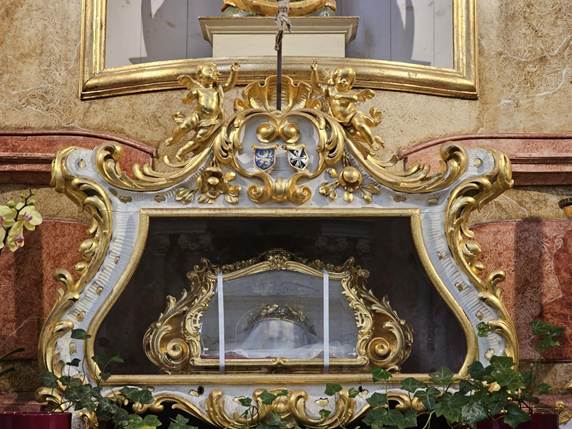
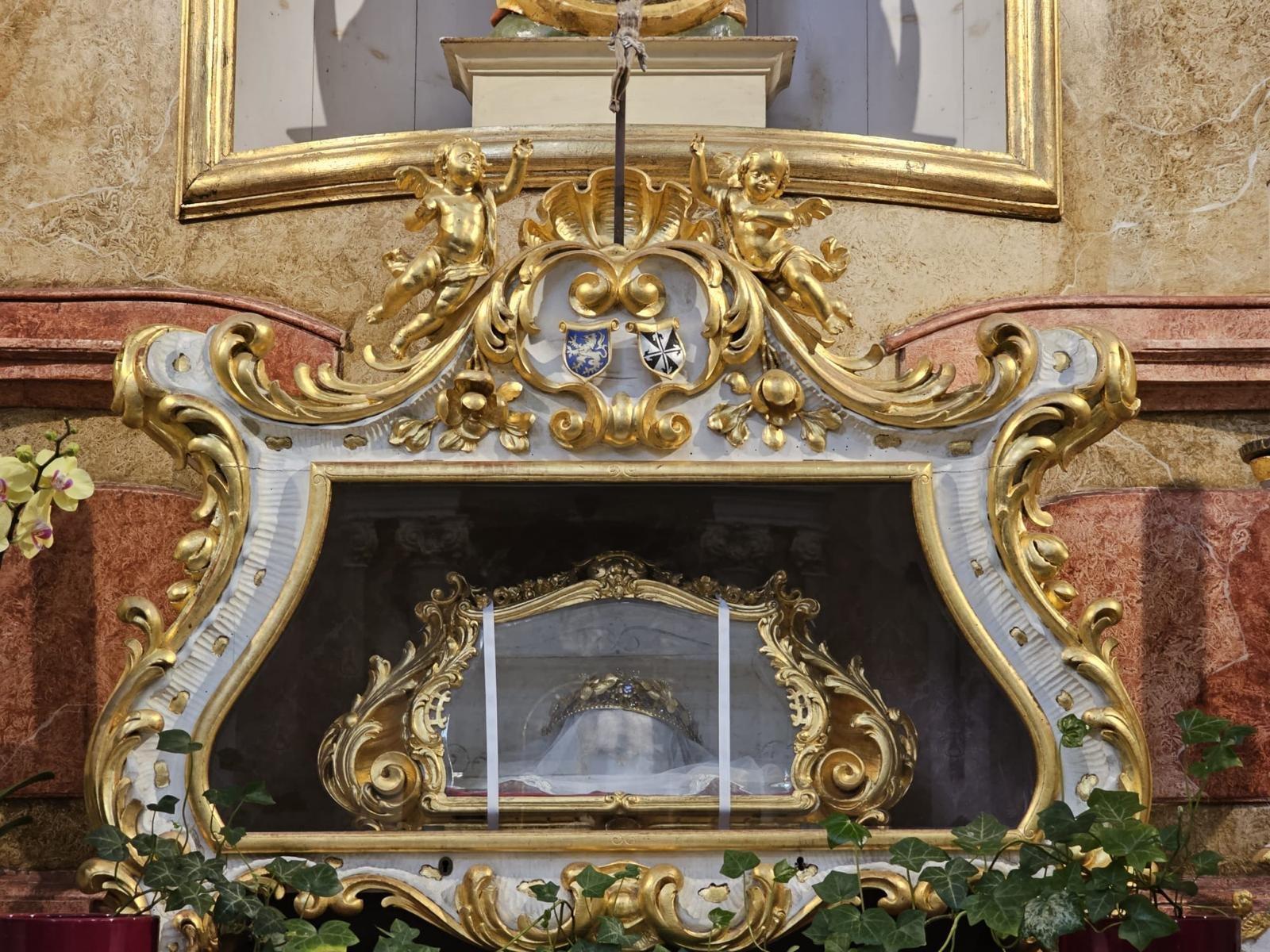
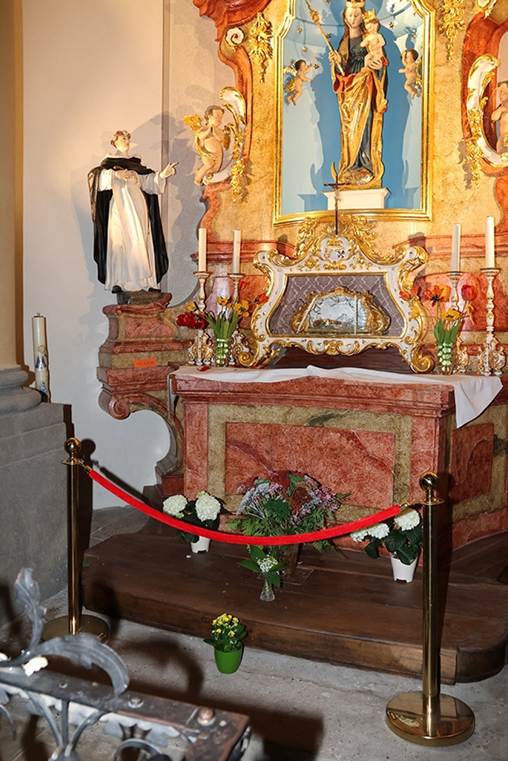
Against this backdrop, a fresh theft in Czechia/Czech Republic stands out not only for its brazenness but for the swift recovery of the relic and the unexpected spiritual fruit it may already be bearing. On May 12, 2026, a man smashed the glass of a reliquary in the Basilica of Sts. Lawrence and Zdîslava in Jablonné v Podještědí and fled with the skull of 13th-century St. Zdîslava, a beloved patron of families and the local region. (The alarm was turned off for Mass.) The 35-year-old suspect was arrested days later; he confessed to opposing the public display and had encased the skull in concrete intending to dispose of it in a river. Police recovered the relic on May 15, and conservation experts are carefully working to extract it safely. In one of Europe’s most secular countries, Church leaders report a surge of public interest and media coverage, viewing the incident as a possible catalyst for renewal and a chance to reintroduce the saint’s life of charity to a wider audience. The full story, including reactions from Czech bishops, is available at the National Catholic Register: “Stolen Relic Could Spark Spiritual Renewal in Secular Czech Republic”.
St. Zdîslava, pray for us!